Discover Cuetzalan’s Huipil and Coffee Festival, where indigenous tradition, vibrant attire, and the aroma of local coffee come together in a celebration of culture and community.
Cuetzalan and Coffee Cultivation
When coffee cultivation was introduced to Mexico in the late 18th century from the Caribbean islands, a large coffee industry developed in some states whose humid climate and geography allowed for high-quality production.
Over time, the population of Cuetzalan, located in the Sierra Norte region of the state of Puebla, began cultivating coffee and experienced significant economic growth. This successful coffee production led to the first Coffee Fair in 1949. At this fair, a young woman was chosen as queen.
Coffee Fair
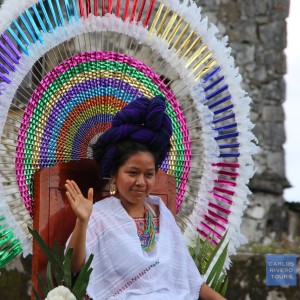
Since this fair had little in common with local customs and traditional clothing, a significant change was made in 1963 regarding the presentation of the fair queen. An altruistic group sought to revive the local indigenous culture, which was rapidly disappearing, by giving the fair queen a more indigenous role. Thus, the festival was renamed the Huipil and Coffee Fair. The name huipil comes from the pre-Hispanic garment that covers women’s backs.
A garment called a maxtahual, which covers the queen’s head, is also worn in the attire of the fair’s queen. This distinctive and elegant garment carries strong community symbolism, highlighting the traditional dress of the women of Cuetzalan.
The celebration surrounding the Huipil and Coffee Fair features regional dances, music, and, in a religious sense, the feast day of Cuetzalan’s patron saint: Saint Francis of Assisi.
Huipil Queen
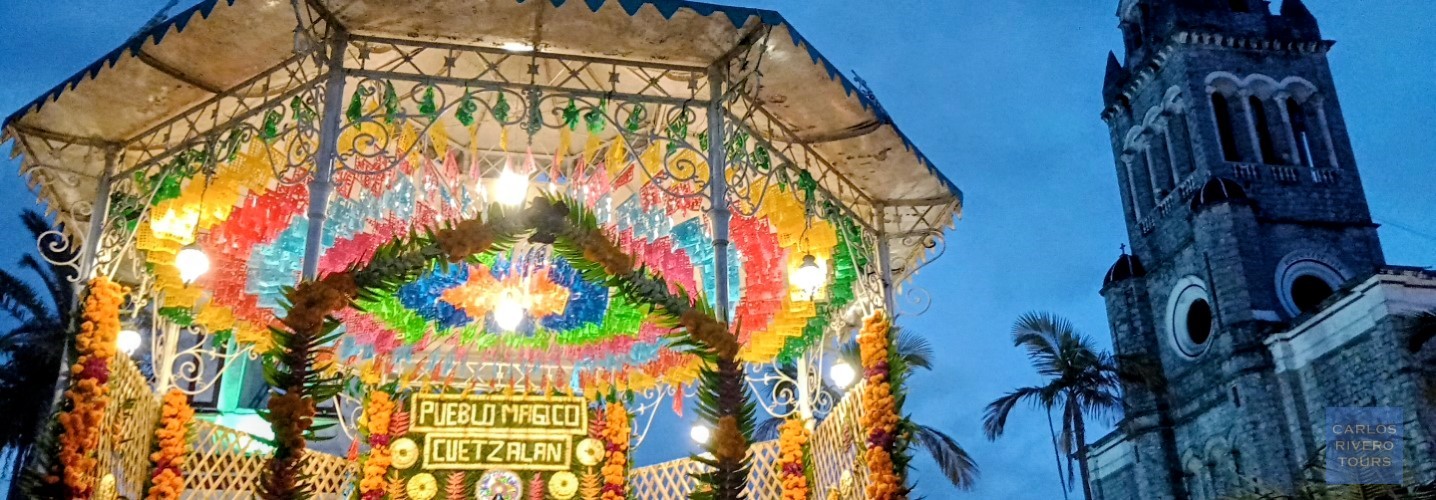
For the Huipil and Coffee Fair celebrations, the atrium of the San Francisco Parish in Cuetzalan is adorned. The church’s facade is decorated with floral designs made from cucharilla (a type of plant), chamaqui flowers, and pezma leaves. Inside the church, the floor is covered with pine needles. For the selection of the fair queen, young women from the communities of Cuetzalan are invited to participate as candidates. From among them, a young woman will be chosen who displays features of native beauty, knowledge of local traditions in both clothing and festivities, as well as fluency in one of the region’s native languages.
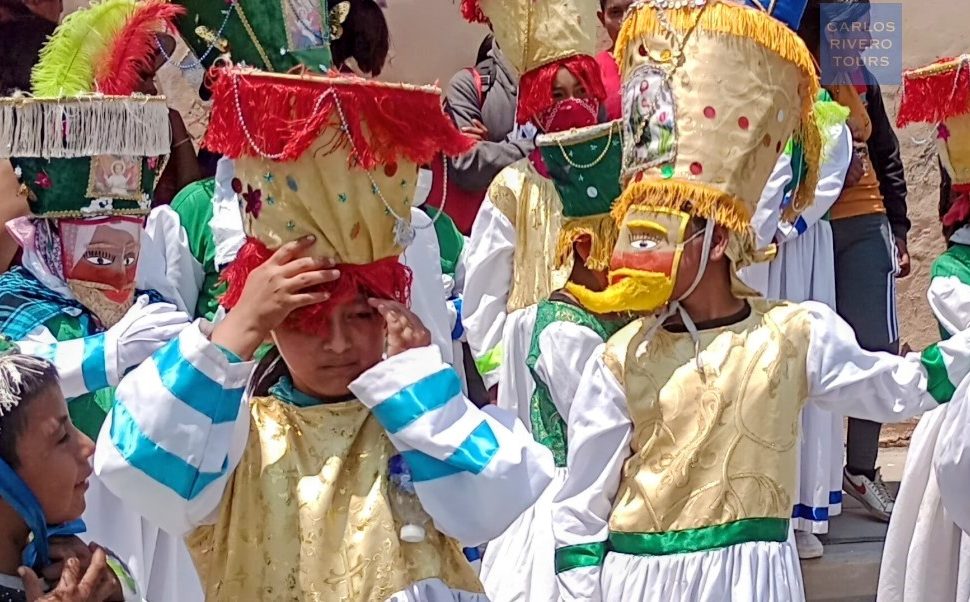
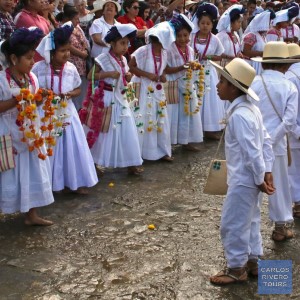
The decision regarding the chosen young woman rests with a group of older men who deliver their verdict through a beautiful symbolic act. Upon meeting the chosen queen, she is crowned and celebrated by all those present. Groups of dancers, adorned in beautiful costumes, dance joyfully, and a group of children from across the community perform the traditional Xochipitsahuatl dance.
See more about Huipil Queen tour